5 Reasons to Study a Master’s in Materials Science & Engineering
September 4, 2026 2026-09-07 10:49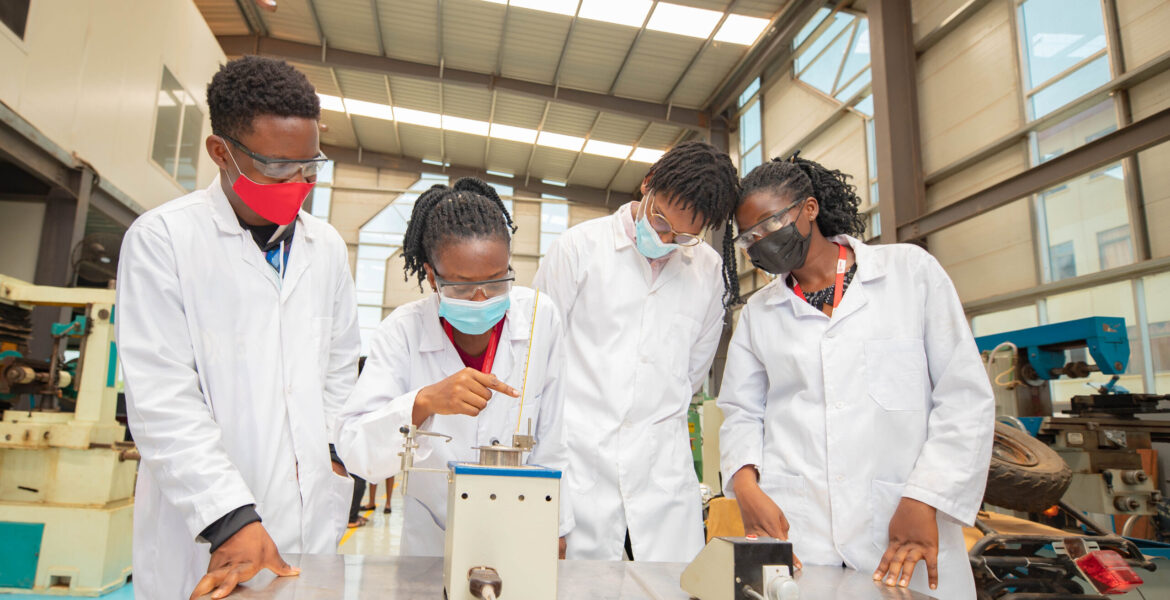
5 Reasons to Study a Master’s in Materials Science & Engineering
Materials Science & Engineering explores how the structure, composition and processing of materials influence their properties and performance. The interdisciplinary field draws on engineering, physics and chemistry and contributes to industries such as construction, electronics, healthcare, manufacturing and energy. The U.S. National Science Foundation highlights materials as essential building blocks for many modern technologies.
For students seeking advanced knowledge, practical skills and research experience, Academic City University offers postgraduate programmes in Materials Science & Engineering, including MSc and MPhil pathways.
If you are asking, “Is a Master’s in Materials Science worth it?” — here are five reasons to consider postgraduate study in this field.
1. You gain advanced, specialised knowledge
A bachelor’s degree provides the foundation. A Master’s in Materials Science allows you to build deeper and more specialised knowledge of how materials are developed, characterised, selected and applied to engineering challenges.
At Academic City, the MSc Materials Science & Engineering curriculum covers areas including:
- Advanced materials
- Thermodynamics
- Materials characterisation
- Mechanical behaviour
- Computational modelling and simulation
- Materials selection and engineering design
- Electrical, magnetic and optical properties
- Extractive metallurgy
This combination helps students understand how materials behave under different conditions and how they can be selected, processed or designed for specific applications.
According to the US National Institute of Standards and Technology (NIST), materials characterisation helps researchers and engineers understand the composition, structure and properties of materials. This makes materials characterisation an important part of modern Materials Science and Engineering.
2. You build practical, hands-on skills
Materials Science is not only about theory. It also involves applying scientific knowledge to real engineering and industrial problems.
Academic City’s postgraduate programmes emphasise practical learning through laboratory methods, computational tools, modern instrumentation and materials characterisation techniques.
This approach gives students opportunities to develop experience with the tools and techniques relevant to Materials Science and Engineering. For students who want to move beyond classroom theory and develop problem-solving skills, this can make postgraduate study particularly valuable.
3. It opens up a wide range of career paths
A postgraduate qualification in Materials Science and Engineering can prepare graduates for roles across engineering, research, manufacturing and other technical fields. Potential career paths include:
- Materials Engineer
- Research and Development Engineer
- Process Engineer
- Metallurgical Engineer
- Quality Assurance Specialist
- Biomaterials Specialist
- Renewable Energy Materials Specialist
- Mining and Mineral Processing Engineer
- Failure Analysis Engineer
- Academic or Researcher
The MPhil can also provide a pathway towards research and academia, industry and innovation, entrepreneurship, sustainable development and technology leadership.
Because materials are integral to many industries, professionals with expertise in Materials Science and Engineering can apply their knowledge to a wide range of technical and research challenges.
4. It connects directly to major industries
Materials are fundamental to modern industry. They are used in manufacturing, mining, construction, electronics, energy, healthcare and infrastructure.
According to NIST, materials science and engineering research contributes to areas such as electronics, transportation, infrastructure, energy and the environment.
Academic City’s Materials Science & Engineering curriculum reflects this wide range of applications. Students study areas such as biomaterials, composite materials, renewable energy materials, metals and alloys, phase transformations, mineral processing and pyrometallurgy.
The U.S. Department of Energy identifies materials research as important to the generation, storage, conversion and use of energy.
This industry relevance helps students understand how advances in materials can contribute to real-world innovation and address challenges across sectors.
5. You can choose between professional and research-focused pathways
At Academic City, students can choose between two postgraduate Materials Science & Engineering pathways: the MSc and the MPhil. Both programmes have a two-year duration.
MSc Materials Science & Engineering
The MSc combines advanced coursework with professional preparation and includes a capstone project. It is suited to students who want to develop advanced technical knowledge while preparing for professional careers, research or further academic study.
MPhil Materials Science & Engineering
The MPhil has a strong emphasis on independent research. The programme culminates in an original research thesis and viva voce defence. The second year focuses on research, seminars, industry engagement and thesis development.
Why study Materials Science & Engineering at Academic City?
Academic City University offers students an environment designed around practical, technology-driven and experiential learning.
The university attracts students from more than 23 nationalities. Students have access to facilities including a digital makerspace and a technology and entrepreneurial centre, alongside campus-wide internet connectivity.
Academic City also maintains a 12:1 student-to-faculty ratio and provides students with opportunities to undertake work placements every vacation.
MSc vs MPhil: which is right for you?
The right programme depends on your career goals.
Choose the MSc if you want a combination of advanced coursework, practical learning and professional preparation. Its capstone project also provides an opportunity to apply your knowledge to a defined engineering project.
Choose the MPhil if you want to focus more strongly on independent research. Its research thesis and viva voce defence make it particularly suitable for students interested in research, academia or advanced technical specialisation.
Ready to study Materials Science at the Master’s level?
A postgraduate degree in Materials Science can help you develop advanced technical knowledge, practical skills and research experience for careers across engineering, industry and research.
If you are ready to take the next step, explore the MSc Materials Science & Engineering or MPhil Materials Science & Engineering at Academic City University to learn more about the programme, admissions requirements and application process.
Frequently asked questions
What is Materials Science?
Materials Science is the study of how the structure, composition and processing of materials affect their properties and performance. It combines concepts from areas such as engineering, physics and chemistry.
What can I do with a Master’s in Materials Science?
Graduates can pursue careers such as Materials Engineer, Research and Development Engineer, Process Engineer, Metallurgical Engineer, Quality Assurance Specialist, Biomaterials Specialist, Renewable Energy Materials Specialist, Mining and Mineral Processing Engineer, Failure Analysis Engineer or Academic/Researcher.
Does Academic City offer an MSc in Materials Science?
Yes. Academic City offers an MSc Materials Science & Engineering programme.
Does Academic City offer an MPhil in Materials Science?
Yes. Academic City offers an MPhil Materials Science & Engineering programme.
What is the difference between MSc and MPhil Materials Science & Engineering?
The MSc combines advanced coursework, practical learning and a capstone project, while the MPhil places greater emphasis on independent research and culminates in a research thesis and viva voce defence.
How long do the Materials Science postgraduate programmes take?
Both the MSc and MPhil Materials Science & Engineering programmes have a two-year duration.
 Writer: Benjamin Kofi Mantey, Digital Marketing and Technology Specialist, Academic City University